
More Than Companionship. How Pet Therapy Helps People With Dementia, Physical Disabilities, and Depression, Along With the People Who Care for Them
Pet therapy is one of the most accessible and affordable ways to bring comfort to loved ones living with dementia, physical disabilities, or depression. Discover how animals lift mood, restore purpose, and ease stress, plus why the healing extends to caregivers themselves.

Helping Your Loved One Stay Socially Connected. A Caregiver's Action Plan
Your loved one's world can shrink faster than anyone notices. Driving stops. Old friends fade. Before long, the person who once hosted every holiday dinner is spending most days alone. That isolation is not just sad and it is a genuine health risk. Here is a practical, step-by-step plan for changing it.

When the Person You're Caring For Lashes Out: Keeping Your Cool and Understanding Why
Aggression from a senior in your care is almost never about you. What it really means, and how to keep your cool when it's aimed at you.

When You Wonder How Much Longer You Can Keep Doing This
When you spend your days caring for someone you love, it is easy to believe that your own needs should always come last. Whether you are supporting a parent, spouse, child, or friend, the quiet weight of caregiving can leave you physically exhausted and emotionally drained. If you have ever wondered how much longer you can keep going, this article is a reminder that you are not alone, your feelings are valid, and caring for yourself is an essential part of caring for someone else.

How to Get Paid as a Family Caregiver: Every Real Option, Explained
The question I hear more than any other: is there any way to get paid for the care I am already providing? The honest answer is sometimes, yes. Here is every real option, from Medicaid and VA benefits to care agreements and tax relief, and exactly where to start.

Medicare and In-Home Care: The Truth Every Family Needs to Know
Most families assume Medicare will cover in-home care for their aging loved one. Most families are wrong. What Medicare actually pays for, what it doesn't, and the real options available when the gap becomes a crisis. Current 2026 figures, sourced from official government sources.

Movement, Mind, and Mood: The Research Behind Staying Active
It is easy for activity to slide to the bottom of the priority list in caregiving. The research suggests that is a mistake. Why physical movement, mental stimulation, and emotional engagement matter for the body, the brain, and the mood, and what this looks like in daily life.
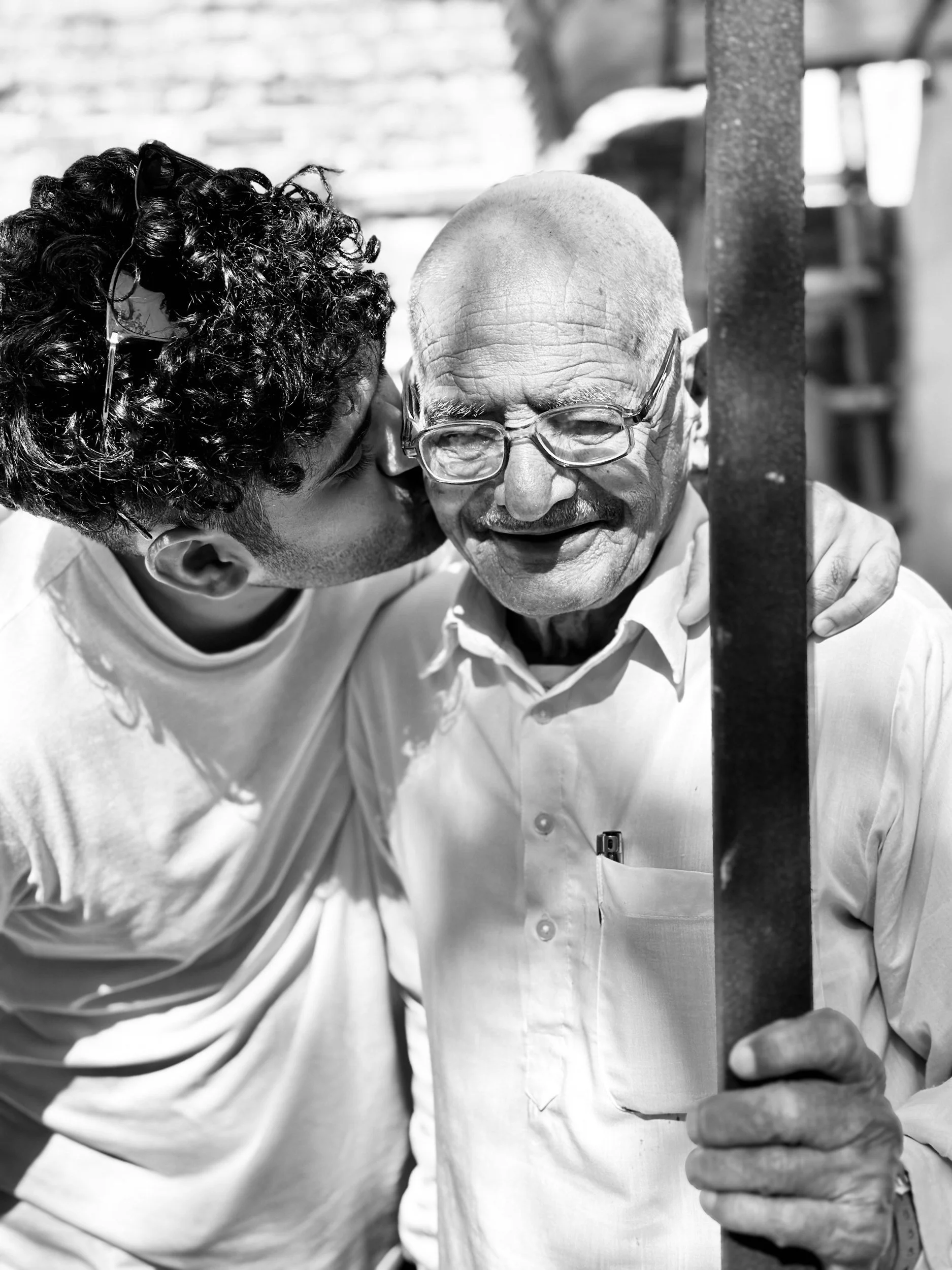
The Art of Communicating With a Dementia Patient
Communication with a dementia patient is not about having the right words. It is about understanding what is happening in their brain, adjusting everything about how you show up, and letting go of the instincts that feel natural but make everything worse.
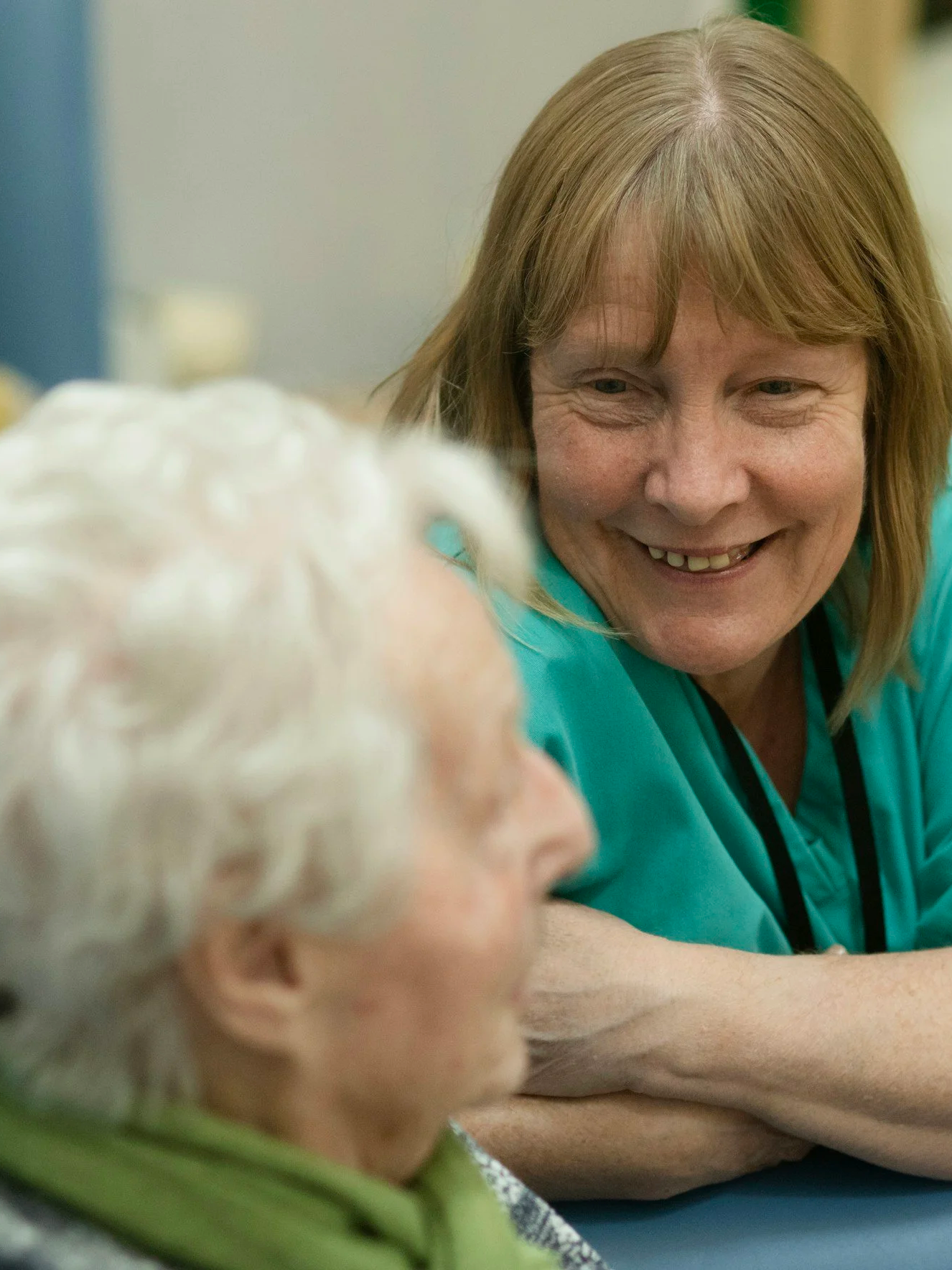
Difficult Dementia Behaviors: The One Question That Changes Everything
When a dementia patient refuses care or becomes aggressive, most caregivers focus on the behavior. The better question is why. What's driving it, how to find out, and what actually works once you know.

Dealing With Grief
There is no right way to grieve. An honest guide to what grief actually is, the five stages explained plainly, and how to find your way through.

Let’s Talk About End of Life
12:31 PM
Nobody talks about this part. An honest guide to the biological facts of dying, what it means when your loved one is talking to the ceiling, whether they are in pain, and why hospice is the best decision you can make.

Preventing Falls at Home: What Every Caregiver Needs to Know
Falls are the leading cause of injury in older adults, and many are preventable. A room by room guide to the simple changes that make the biggest difference, from the most dangerous spot in the home to why throw rugs must go.
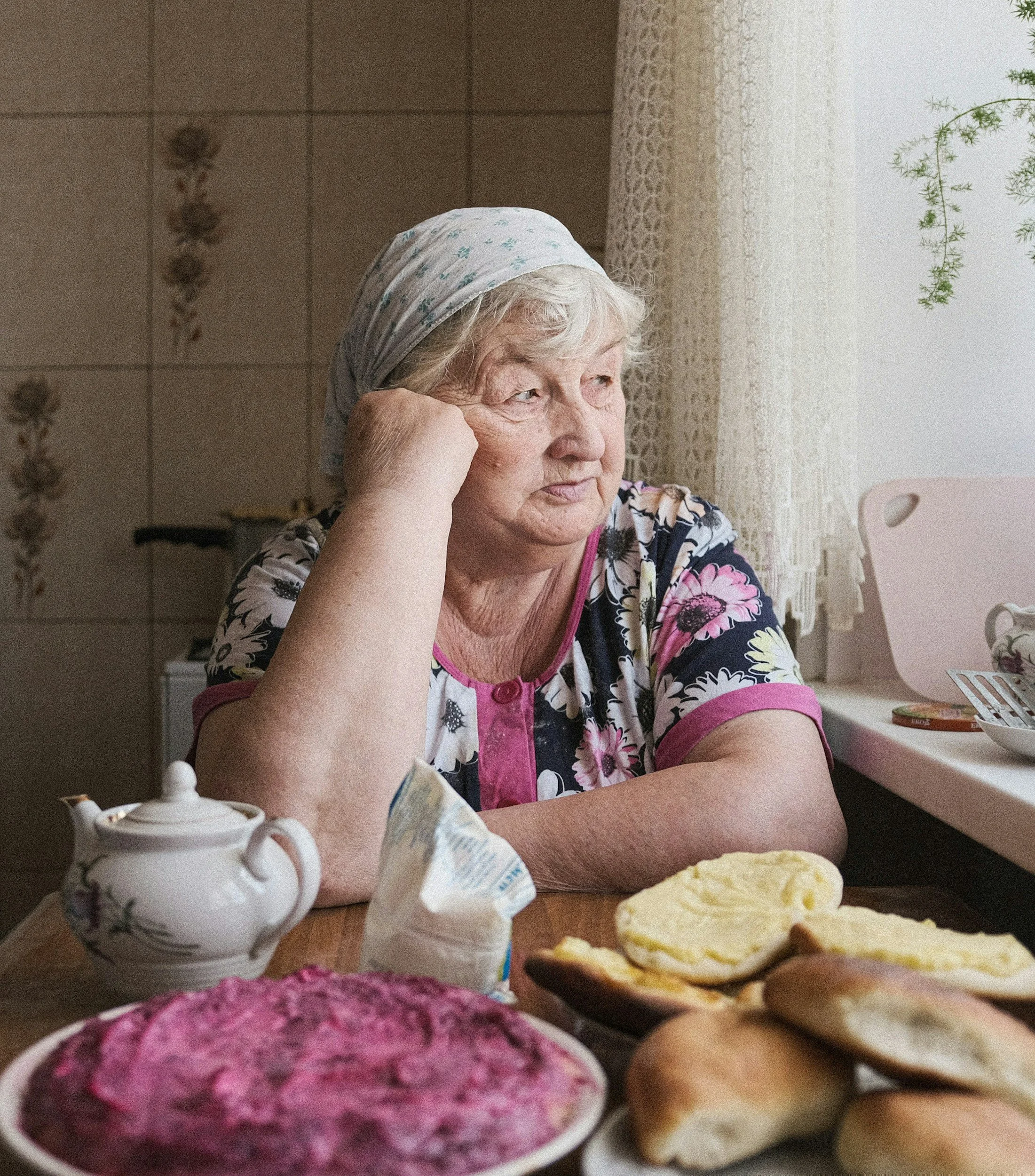
Why Won't They Eat? Nutrition and Hydration Challenges in Senior Care
Trying to get someone to eat or drink when they don't want to is one of the most exhausting parts of caregiving. Why seniors stop eating, what actually works when they refuse, and the simple tools that make mealtimes easier.
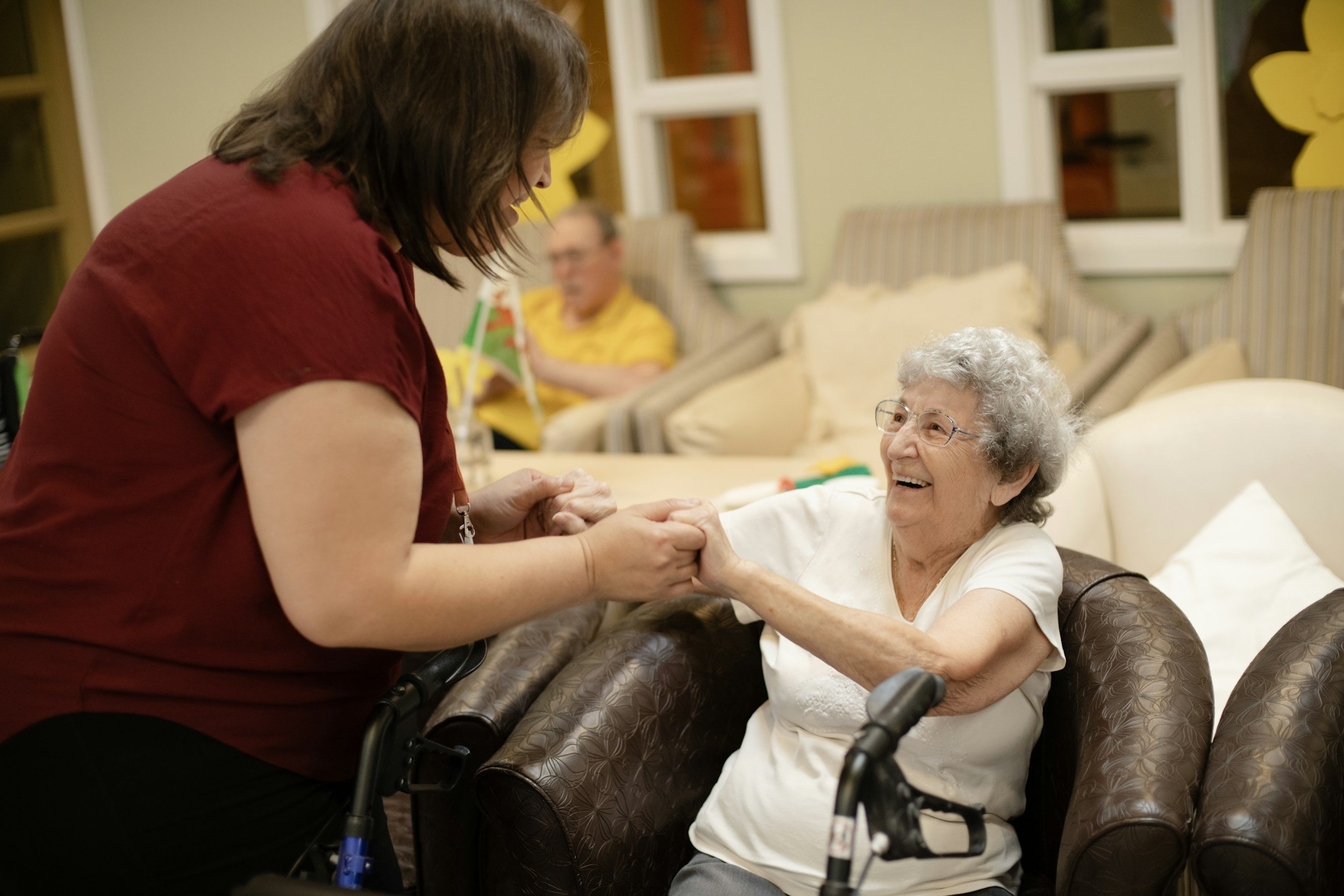
Having “The Talk”
Everyone assumes the hard part is convincing Mom or Dad they need help. The reality? It's usually the family in denial far longer than the person who actually needs care. An honest guide to both sides of the hardest conversation in caregiving.

Sundowning
Around late afternoon your loved one changes completely. The confusion deepens, the agitation rises, and nothing you say seems to help. What sundowning actually is, why arguing never works, and the compassionate fibbing technique that does.

Recognizing Caregiver Burnout
Most people think burnout happens suddenly. It doesn't. It creeps up while you're too exhausted to notice. The signs you've reached your limit, what burnout actually looks like, and what to do before you break.

Keeping Your Head in an Emergency
When something goes wrong, the first 60 seconds matter most. What to do, what to tell EMS, the hidden hip fracture risk most families miss, and why your phone must stay on you at all times.

Walking in Their Shoes
Before you can care for someone well, you need to understand what they are actually experiencing. What it feels like to lose your independence, your memory, and your dignity, and why empathy is not optional in caregiving.

Caring For The Family
The person you are officially there to help is sometimes the easiest part. It's the family that will test you. How to handle denial, grief, sibling conflict, and the invisible weight of caring for everyone in the room.

Medication Safety
A dementia patient left alone for just one hour. She found her pills and took them again. What families need to know about medication safety, what to ask the doctor, and the tools that actually help prevent a crisis.